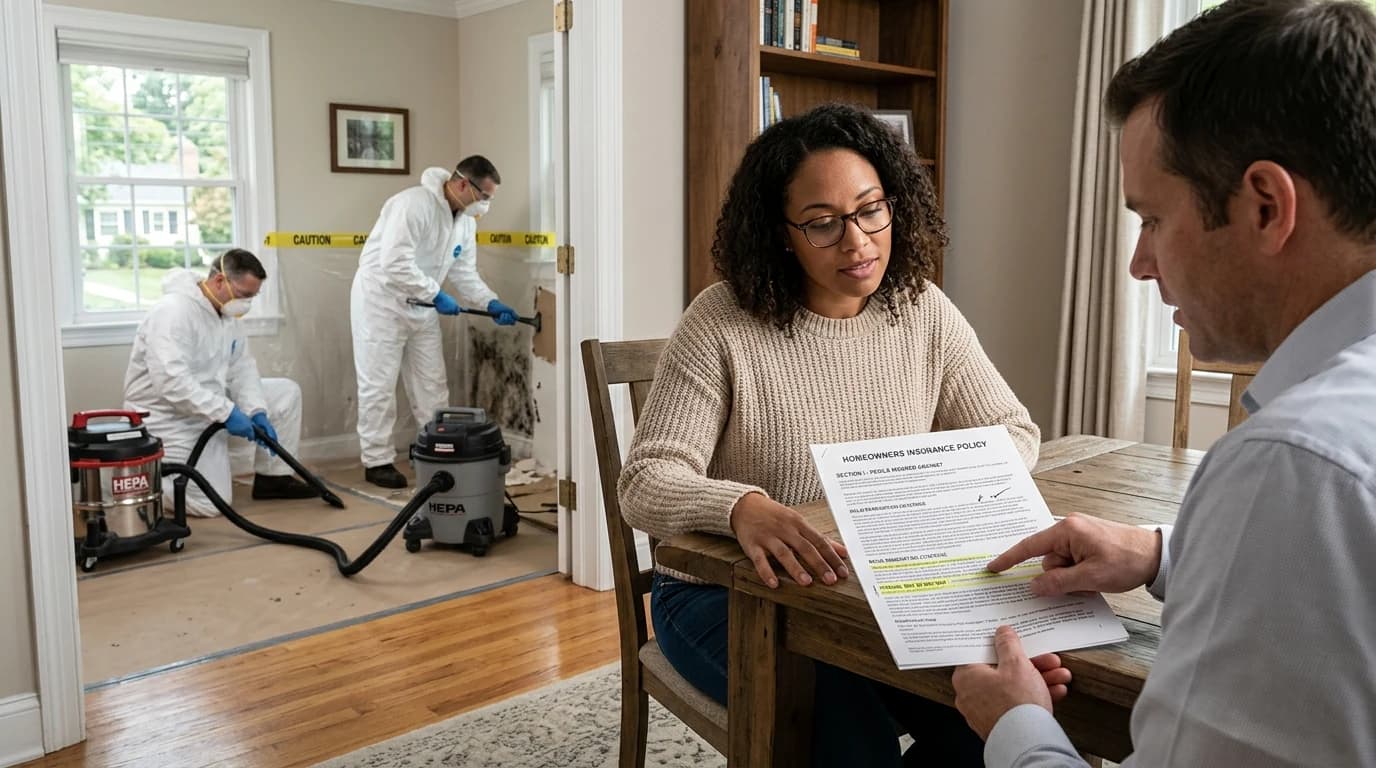
What types of insurance typically cover mold removal?
Homeowners insurance policies in NJ may cover mold removal if the mold was caused by a covered peril such as water damage from a burst pipe. Typically, these policies include perils like sudden and accidental water discharge, which might lead to mold growth. However, mold resulting from neglected maintenance issues or flooding is usually not covered. It's crucial to review your policy details and discuss with your insurer to understand your coverage limits and conditions. Many NJ policies have specific clauses regarding mold, often setting limits on the amount they will pay for mold remediation, which might include both removal and repairs. Check if your policy has an 'endorsement' or rider that specifically covers mold, as this can extend your coverage. For those living in areas prone to water damage, such as Ho-Ho-Kus, considering such endorsements could be beneficial. Always keep your policy updated and maintain regular communication with your insurer to ensure you are aware of any changes in coverage.
How should you file a claim for mold removal?
Begin by thoroughly documenting the mold damage with photos and written reports. Take clear, detailed pictures of all affected areas, and note down any observations regarding the extent and potential causes of the mold. Contact your insurance provider promptly to report the issue and file a claim. When you call your insurer, be prepared to provide them with all the evidence you’ve gathered. Keep records of all communications and follow up regularly. It's beneficial to have professional mold assessment reports to support your claim. Hiring a certified mold inspector can provide a detailed report which outlines the severity, type of mold, and recommended remediation steps. This documentation can strengthen your claim and provide your insurer with the necessary information to process it efficiently. Additionally, understand the timeline for claims processing, and be proactive in asking your insurer about any specific documentation they might need. This proactive approach can help streamline the process and potentially increase the likelihood of your claim being approved.

What if your insurance doesn’t cover mold removal?
If insurance doesn't cover mold removal, you can explore payment options with professional services. Some companies offer financing plans to assist homeowners in Ho-Ho-Kus with managing costs effectively. These plans can spread the cost over several months, reducing the immediate financial burden. Consider these options to ensure timely remediation and avoid further damage. Delaying mold removal can result in more extensive damage and higher costs in the future. Additionally, some state and local programs in NJ may offer financial assistance or low-interest loans for home repairs, including mold remediation. It's worth researching these programs to see if you qualify. Furthermore, preventative measures can be a cost-effective way to manage mold issues. Regular maintenance, such as fixing leaks promptly and ensuring proper ventilation in moisture-prone areas, can prevent mold from developing in the first place. Investing in a dehumidifier for damp areas of your home can also help maintain a mold-free environment. For professional guidance and services, you can contact us for assistance.
What are some preventative measures to avoid mold growth?
Preventing mold growth is crucial in maintaining a healthy home environment and avoiding costly remediation. Start by controlling moisture levels in your home, as mold thrives in damp conditions. Ensure that areas like bathrooms, kitchens, and basements are well-ventilated. Installing exhaust fans can help reduce humidity and prevent moisture buildup. Regularly inspect your home for leaks in roofs, walls, and plumbing, and repair any issues promptly. It's also beneficial to clean and dry any water spills immediately to prevent mold from taking root. Using mold-resistant products, such as mold-resistant drywall or paint, can be particularly effective in areas prone to moisture. Furthermore, maintaining proper drainage around your home is essential to prevent water from seeping into the foundation. Ensure that gutters and downspouts are clear of debris and direct water away from your home. For those living in humid climates, investing in a dehumidifier can help maintain optimal indoor humidity levels, ideally between 30-50%. By implementing these preventative measures, homeowners can significantly reduce the risk of mold growth and the associated health and financial impacts.
How to choose a professional mold remediation service?
Selecting the right mold remediation service is crucial for effective and safe mold removal. Start by researching local companies and checking their credentials. Ensure that the company is certified by recognized organizations, such as the Institute of Inspection, Cleaning and Restoration Certification (IICRC). This certification indicates that they adhere to industry standards and best practices. It's also important to verify that the company has experience dealing with the specific type of mold issue you are facing. Request references and read online reviews to gauge the experiences of previous clients. When contacting potential companies, ask about their inspection process and the methods they use for mold removal. A reputable service will offer a thorough assessment and a detailed plan for remediation. Additionally, inquire about the safety measures they implement to protect your home and family during the process. Be wary of companies that offer quotes without conducting a proper inspection, as this might indicate a lack of thoroughness. Finally, compare quotes from several providers to ensure you receive a fair price. By taking these steps, you can select a trustworthy and competent mold remediation service to address your needs effectively.
Understanding Your Policy's Exclusions and Limitations
To effectively manage mold-related issues, it's essential to have a clear understanding of your insurance policy's exclusions and limitations. Many homeowners in NJ may assume their policy covers all mold-related damages, but this is not always the case. Policies often have specific exclusions for mold damage that arises from neglect or gradual damage. For instance, if mold develops due to long-term leaks that weren't promptly addressed, insurers may deny coverage, citing lack of maintenance. It's crucial to read the fine print of your policy and discuss any unclear terms with your insurance agent. Ask about specific exclusions related to mold and what constitutes a 'covered peril.' Some policies might have sub-limits on mold coverage, meaning they only cover up to a certain amount for mold remediation, regardless of the total damage cost. Understanding these limitations can help you plan financially for any potential out-of-pocket expenses. If your current policy does not offer adequate coverage, consider purchasing additional riders or endorsements that specifically address mold. This proactive approach can provide peace of mind and financial protection should a mold issue arise.
Steps to Take if Mold is Discovered in Your Home
Discovering mold in your home can be alarming, but taking prompt and systematic action can mitigate the damage and health risks. First, assess the extent of the mold growth. Small patches of mold can often be handled with DIY solutions, but larger infestations require professional intervention. Begin by identifying and addressing the source of moisture that is contributing to mold growth, such as leaks or high humidity. Document the mold with photos and notes, detailing the affected areas and any visible damage. This documentation is helpful not only for insurance claims but also for professionals who may need to assess the situation. Next, contact a certified mold remediation expert to conduct a thorough inspection and provide a detailed remediation plan. Ensure that the professional is licensed and follows industry standards for mold removal. While waiting for professional assistance, limit your exposure to the mold by closing off the affected area and using protective gear if you must enter. Avoid using fans or HVAC systems that could spread mold spores throughout your home. By taking these steps, you can effectively manage a mold situation and safeguard your home and health against further impact.