What are the common indicators of mold?
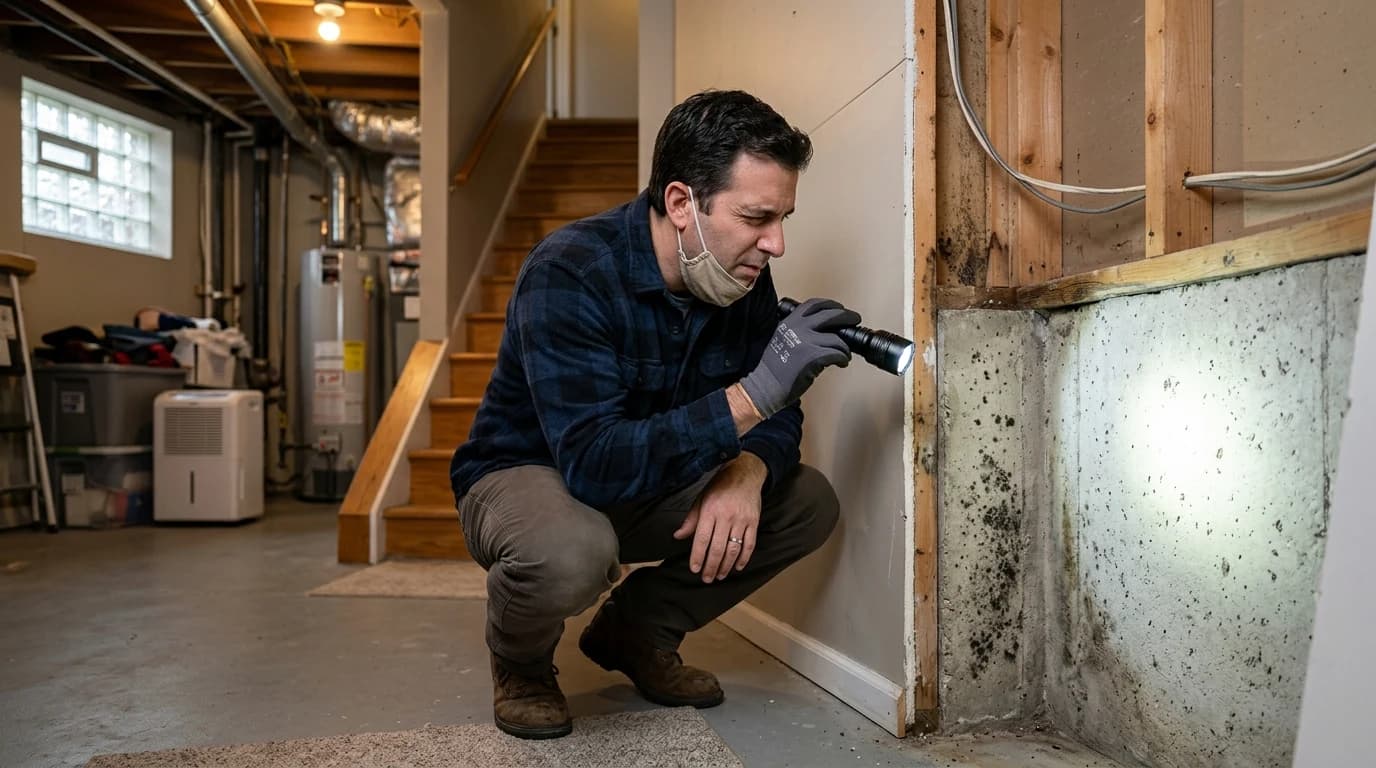
Mold often starts in damp, concealed areas, making it difficult to detect until it has spread significantly. Homeowners should be vigilant about checking areas prone to moisture accumulation. Discoloration on walls, ceilings, or floors is a primary indicator. These stains may appear green, black, or even white and can be mistaken for dirt or soot. Musty odors are another telltale sign; they are often the first noticeable indicator of hidden mold. Basements, bathrooms, and kitchens are particularly vulnerable due to high humidity levels and potential water leaks.
To proactively check for mold, inspect these areas regularly, especially after heavy rains or plumbing issues. Look behind furniture, under sinks, and around windowsills. If you discover any signs, consider contacting a professional service for a detailed inspection and assessment. Professional mold inspectors can utilize specialized equipment to detect mold that is not visible to the naked eye, ensuring a thorough evaluation of your home.
To proactively check for mold, inspect these areas regularly, especially after heavy rains or plumbing issues. Look behind furniture, under sinks, and around windowsills. If you discover any signs, consider contacting a professional service for a detailed inspection and assessment. Professional mold inspectors can utilize specialized equipment to detect mold that is not visible to the naked eye, ensuring a thorough evaluation of your home.
How can physical symptoms indicate mold presence?
Physical symptoms such as allergies, coughing, or skin irritations might indicate mold exposure. Mold releases spores into the air, which can be inhaled and lead to respiratory issues. Symptoms may mimic those of a cold or seasonal allergies, including sneezing, itchy eyes, and nasal congestion. In more severe cases, individuals may experience asthma attacks or persistent headaches.
If you or a family member experience unexplained health issues, especially if symptoms improve when away from home, it could be worth investigating mold as a potential cause. Pay attention to symptoms that coincide with humid conditions or after spending time in specific areas of your home. Ensure proper ventilation in your home to mitigate these risks. Use exhaust fans in bathrooms and kitchens, dehumidifiers in damp areas, and ensure that your HVAC system is maintained regularly to prevent mold spores from circulating.
If you or a family member experience unexplained health issues, especially if symptoms improve when away from home, it could be worth investigating mold as a potential cause. Pay attention to symptoms that coincide with humid conditions or after spending time in specific areas of your home. Ensure proper ventilation in your home to mitigate these risks. Use exhaust fans in bathrooms and kitchens, dehumidifiers in damp areas, and ensure that your HVAC system is maintained regularly to prevent mold spores from circulating.
Why is early detection crucial?
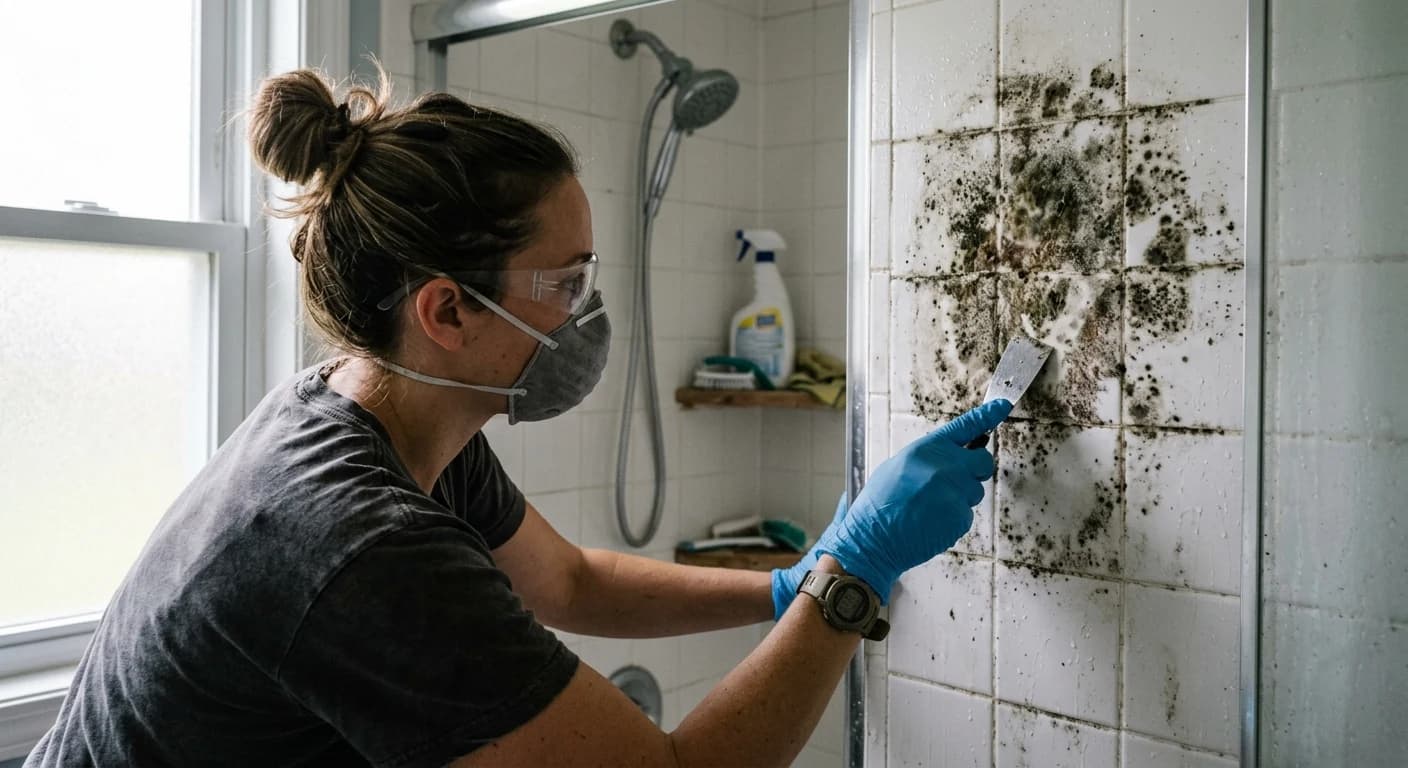
Early detection is crucial as it prevents severe damage and health complications. Mold can weaken structural integrity by feeding on organic materials like wood, drywall, and carpeting, potentially leading to costly repairs. Left unchecked, mold can spread to heating and ventilation systems, complicating removal and increasing costs.
Addressing the issue early can save Ho-Ho-Kus homeowners both time and money. Early intervention is less invasive and typically involves simpler remediation processes, such as improved ventilation or minor repairs to prevent further moisture buildup. Additionally, early detection can prevent mold from becoming a health hazard. Prolonged exposure to mold can lead to chronic health issues, particularly in vulnerable individuals such as children, the elderly, or those with compromised immune systems.
By maintaining vigilance and addressing any potential mold issues promptly, homeowners can protect their property investment and ensure a healthier living environment. Consider scheduling regular home inspections, particularly if your home is older or has a history of water damage, to catch any issues before they escalate.
Addressing the issue early can save Ho-Ho-Kus homeowners both time and money. Early intervention is less invasive and typically involves simpler remediation processes, such as improved ventilation or minor repairs to prevent further moisture buildup. Additionally, early detection can prevent mold from becoming a health hazard. Prolonged exposure to mold can lead to chronic health issues, particularly in vulnerable individuals such as children, the elderly, or those with compromised immune systems.
By maintaining vigilance and addressing any potential mold issues promptly, homeowners can protect their property investment and ensure a healthier living environment. Consider scheduling regular home inspections, particularly if your home is older or has a history of water damage, to catch any issues before they escalate.
Effective DIY Mold Testing Methods
While professional inspections are recommended for a comprehensive analysis, there are several DIY methods homeowners can use to test for mold presence. One simple method involves using a mold test kit, which is readily available at most home improvement stores. These kits typically include petri dishes and a growth medium. To use them, place the dishes in areas where mold is suspected and leave them for a few days to collect spores. After the collection period, seal the dishes and send them to a lab for analysis to determine mold type and concentration.
Another approach is the tape lift method, which involves pressing clear tape onto a suspected mold surface, then attaching it to a microscope slide. This sample can be sent to a laboratory for identification. However, it's important to note that these methods may not detect hidden mold behind walls or under floors.
For a more immediate assessment, consider using a moisture meter to check for dampness in walls and floors, as mold thrives in moist environments. If high moisture levels are detected, it’s a strong indicator that mold could be present. Always remember that while DIY methods can be informative, they are not a substitute for professional mold inspection, especially if health symptoms are present or if mold is widespread.
Another approach is the tape lift method, which involves pressing clear tape onto a suspected mold surface, then attaching it to a microscope slide. This sample can be sent to a laboratory for identification. However, it's important to note that these methods may not detect hidden mold behind walls or under floors.
For a more immediate assessment, consider using a moisture meter to check for dampness in walls and floors, as mold thrives in moist environments. If high moisture levels are detected, it’s a strong indicator that mold could be present. Always remember that while DIY methods can be informative, they are not a substitute for professional mold inspection, especially if health symptoms are present or if mold is widespread.
Preventive Measures to Avoid Mold Growth
Preventing mold growth is often easier and more cost-effective than remediation. Start by controlling humidity levels in your home. Aim to keep indoor humidity below 60%, ideally between 30-50%. Use dehumidifiers in damp areas such as basements and bathrooms, and ensure that your home is well-ventilated. Exhaust fans in kitchens and bathrooms can help reduce moisture buildup during cooking and showers.
Regularly inspect and maintain your home's plumbing system to prevent leaks, which are a common cause of mold. Fix any leaks promptly and dry the affected areas thoroughly. In addition, ensure that your home’s gutters and downspouts are clean and directing water away from the foundation to prevent water intrusion.
Consider using mold-resistant products, such as mold-resistant drywall or paint, especially in areas prone to dampness. These products can provide an extra layer of protection against mold growth. For those living in older homes or in regions like NJ with high humidity, it might be beneficial to invest in a professional mold prevention assessment to identify potential vulnerabilities in your home. By implementing these preventive measures, you can significantly reduce the risk of mold growth and maintain a healthier indoor environment.
Regularly inspect and maintain your home's plumbing system to prevent leaks, which are a common cause of mold. Fix any leaks promptly and dry the affected areas thoroughly. In addition, ensure that your home’s gutters and downspouts are clean and directing water away from the foundation to prevent water intrusion.
Consider using mold-resistant products, such as mold-resistant drywall or paint, especially in areas prone to dampness. These products can provide an extra layer of protection against mold growth. For those living in older homes or in regions like NJ with high humidity, it might be beneficial to invest in a professional mold prevention assessment to identify potential vulnerabilities in your home. By implementing these preventive measures, you can significantly reduce the risk of mold growth and maintain a healthier indoor environment.
Understanding the Role of Ventilation and Airflow
Proper ventilation and airflow are critical in preventing mold growth in your home. Mold thrives in stagnant, humid environments, so ensuring that air circulates effectively can significantly reduce the risk of mold development. Start by assessing the ventilation in key areas such as bathrooms, kitchens, and basements, which are prone to higher moisture levels. Install exhaust fans that vent to the outside, not just into the attic or crawlspace, to remove moisture-laden air. Regularly clean and maintain these fans to ensure they function efficiently.
In addition to mechanical ventilation, natural airflow can be enhanced by opening windows and doors when weather permits. This helps to exchange indoor air with fresh outdoor air, reducing humidity levels inside your home. Ceiling fans can also aid in circulating air, helping to prevent any one area from becoming too humid. If your home has an HVAC system, make sure it is regularly serviced and that filters are changed frequently. A well-maintained HVAC system can help control indoor humidity levels and prevent mold spores from spreading.
Finally, consider placing moisture absorbers in areas that are difficult to ventilate. Products like silica gel packets or charcoal briquettes can help absorb excess moisture in closets or small storage areas. By prioritizing ventilation and airflow, you can create an environment less conducive to mold growth, protecting both your home and your health.
In addition to mechanical ventilation, natural airflow can be enhanced by opening windows and doors when weather permits. This helps to exchange indoor air with fresh outdoor air, reducing humidity levels inside your home. Ceiling fans can also aid in circulating air, helping to prevent any one area from becoming too humid. If your home has an HVAC system, make sure it is regularly serviced and that filters are changed frequently. A well-maintained HVAC system can help control indoor humidity levels and prevent mold spores from spreading.
Finally, consider placing moisture absorbers in areas that are difficult to ventilate. Products like silica gel packets or charcoal briquettes can help absorb excess moisture in closets or small storage areas. By prioritizing ventilation and airflow, you can create an environment less conducive to mold growth, protecting both your home and your health.
When to Seek Professional Help
While DIY methods and preventive measures are effective, there are times when professional intervention becomes necessary. If you notice extensive mold growth covering more than 10 square feet, it's time to call in experts. Large-scale mold infestations often require specialized equipment and expertise to remove safely and effectively. Professionals use advanced techniques such as negative air pressure and HEPA filtration to contain and eliminate mold without spreading spores to other areas of your home.
Another scenario where professional help is crucial is when mold growth occurs in hidden areas, such as inside walls or under flooring. These situations can be difficult to assess and treat without causing further damage. Mold remediation specialists have the tools to detect hidden mold and the experience to address it without unnecessary destruction to your property. Additionally, if you or your family members experience persistent health issues that improve when away from home, a professional assessment can help determine if mold is the cause.
In regions like NJ, where humidity can be high, professionals can also offer valuable advice on long-term prevention strategies tailored to your specific environment. They can conduct thorough inspections and provide recommendations for improvements in insulation, drainage, and ventilation systems. By consulting with professionals, you can ensure comprehensive mold management, safeguarding your home and health against future mold issues.
Another scenario where professional help is crucial is when mold growth occurs in hidden areas, such as inside walls or under flooring. These situations can be difficult to assess and treat without causing further damage. Mold remediation specialists have the tools to detect hidden mold and the experience to address it without unnecessary destruction to your property. Additionally, if you or your family members experience persistent health issues that improve when away from home, a professional assessment can help determine if mold is the cause.
In regions like NJ, where humidity can be high, professionals can also offer valuable advice on long-term prevention strategies tailored to your specific environment. They can conduct thorough inspections and provide recommendations for improvements in insulation, drainage, and ventilation systems. By consulting with professionals, you can ensure comprehensive mold management, safeguarding your home and health against future mold issues.